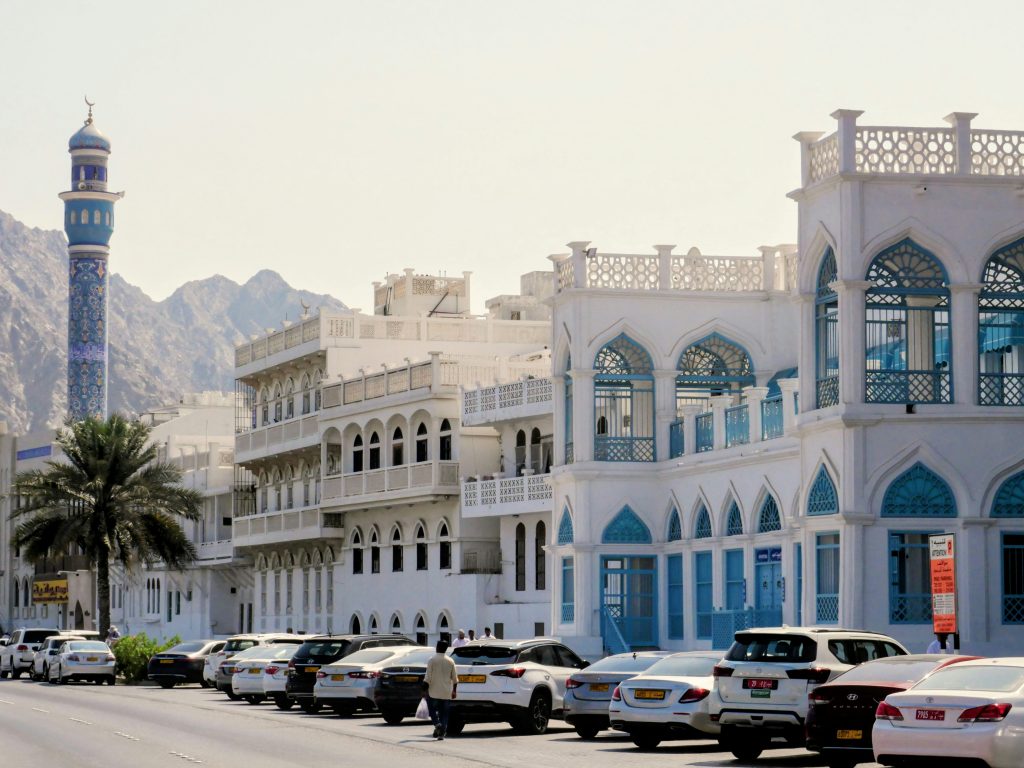
Muscat: The Sultanate of Oman participated today, via video-conferencing, in the 70th meeting of the GCC Trade Cooperation Committee, the 56th meeting of the GCC Industrial Cooperation Committee, the 11th meeting of the GCC Ministerial Committee for Standardization Affairs, and the 14th consultative meeting between the Ministers of Commerce and Industry and the heads of unions and chambers of the GCC states.
According to Oman News Agency, the Sultanate of Oman was represented in these meetings by Anwar Hilal Al Jabri, Minister of Commerce, Industry and Investment Promotion, accompanied by Eng. Ghalib Said Al Maamari, Undersecretary of the Ministry for Commerce and Industry, and Ibtisam Ahmed Al Farouji, Undersecretary for Investment Promotion, along with several officials from the Ministry and relevant authorities.
These meetings are part of joint efforts by GCC countries to enhance cooperation and coordination in economic sectors, contributing to sustainable development and the consolidation of Gulf economic integration. The Trade Cooperation Committee discussed topics such as internal and external trade, consumer protection, support for SMEs, and entrepreneurship development. It reviewed updates on free trade agreement negotiations between the GCC and international partners, including a detailed report on these negotiations to enhance trade openness and expand economic partnerships.
The meeting also discussed developments in commercial laws, including the draft GCC Competition System and the unified legislative framework for e-commerce and digital trade, aimed at developing the regulatory environment. The committee addressed initiatives supporting Gulf trade, such as virtual GCC business incubators and issues related to commercial registration at first points of entry for customs clearance to facilitate trade flow. It also discussed the regulation of cross-border service trade within the Gulf Common Market to support competitiveness and stimulate investment. In innovation, the committee approved the joint GCC action strategy for patents and a fast-track mechanism for examining applications to accelerate procedures and enhance the innovation environment.
The Industrial Cooperation Committee focused on defining the "national product" (GCC product) to develop localization standards across industrial sectors. It discussed the draft regulatory list for national product exemptions and associated penalties and implementation procedures. The committee reviewed lists of goods subject to collective protection and mechanisms for their determination in line with shared industrial priorities. It examined requirements for launching the Gulf Industrial Platform, results of a study on five joint industrial investment opportunities in priority sectors, and the identification of critical raw materials and industrial products to enhance supply chain resilience and Gulf industrial security.
The committee also discussed the work of the Technical Secretariat for Anti-Injurious Practices in International Trade, its technical projects for developing monitoring and analysis tools, and ways to enhance cooperation with the United Nations Industrial Development Organization (UNIDO).
The Ministerial Committee for Standardization Affairs discussed topics and decisions supporting Gulf standardization activities. The committee reviewed a report by the President of the GCC Standardization Organization regarding its work from October 2025 to March 2026. The committee approved 13 draft Gulf technical regulations and the withdrawal of 11 existing technical regulations to align with approved technical and regulatory updates.